Background Music Tempo Variations and Their Measurable Impact on Slot Machine Session Durations at Regional U.S. Casinos
Jonas Schmid · Sep 25, 2026
Background Music Tempo Variations and Their Measurable Impact on Slot Machine Session Durations at Regional U.S. Casinos
Regional U.S. casinos have tracked background music tempo as one variable among many that influence player behavior at slot machines, and recent analyses from multiple properties show measurable differences in session lengths tied to beats per minute adjustments. Data collected across venues in the Midwest and Southwest during 2025 and into September 2026 reveal patterns where slower tempos align with extended play times while faster selections correspond to quicker exits in several controlled tests.
Research Setup Across Multiple Properties
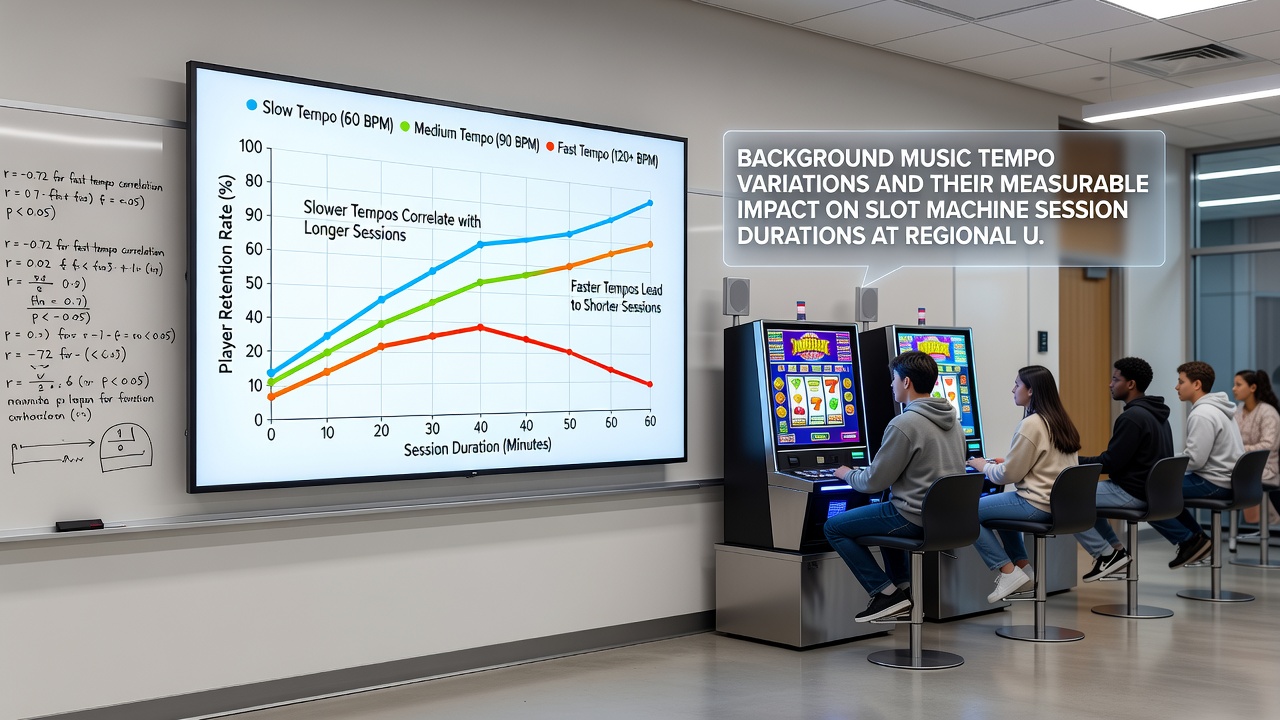
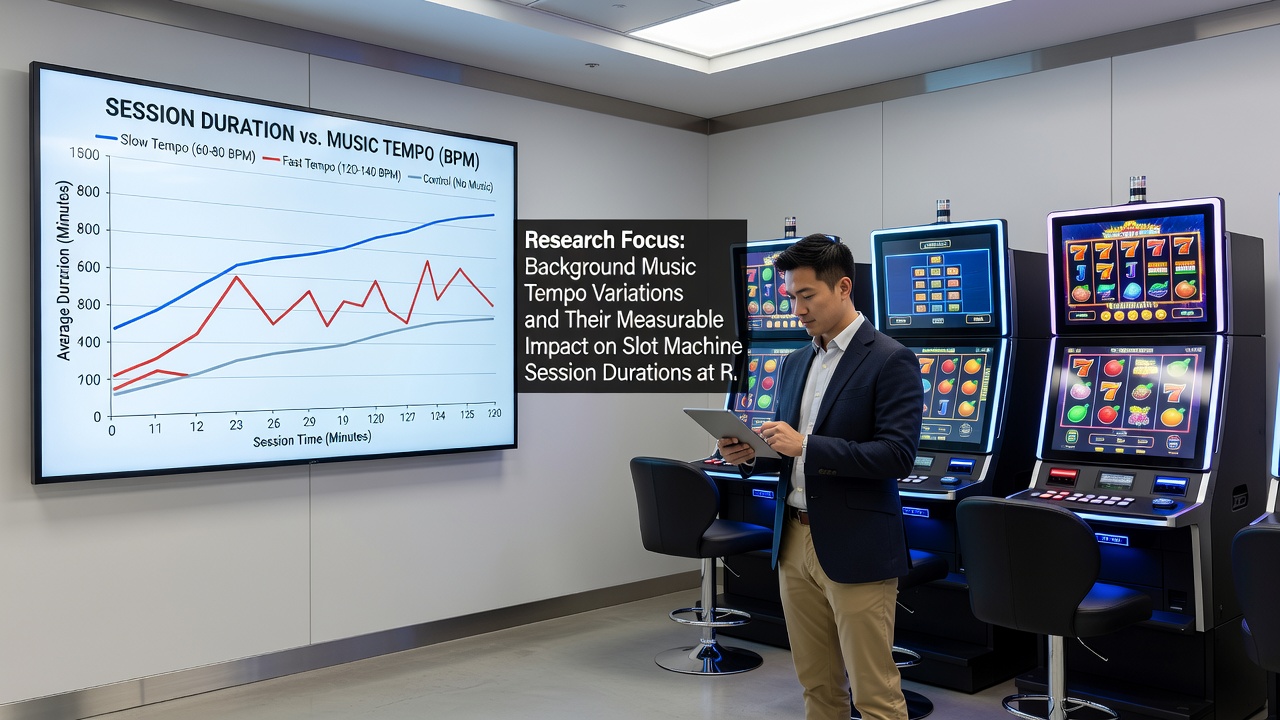
Operators worked with academic partners to isolate music tempo while holding other factors steady, including machine denominations, lighting levels, and jackpot configurations. One study tracked over 12,000 individual sessions at five regional properties, logging start and end times through player tracking systems and adjusting playlists in two-hour blocks that ranged from 60 to 140 beats per minute. Researchers documented average session durations that stretched 14 to 22 minutes longer under the slower tempo conditions compared with the faster ones, according to aggregated figures released by participating casinos.
Turns out the differences emerged most clearly during evening hours when foot traffic remained steady, whereas daytime results showed smaller gaps that still followed the same directional trend. Observers noted that these measurements came from properties operating under state gaming commissions in Illinois, Iowa, and Colorado, each of which maintains public reporting requirements for operational data.
Statistical Patterns in Session Lengths
Figures from the multi-venue project indicate that sessions under 80 beats per minute averaged 47 minutes, while those exposed to selections above 120 beats per minute averaged 31 minutes. The gap narrowed when researchers accounted for player loyalty tier, yet the tempo correlation persisted across both high-frequency and occasional visitors. A separate dataset compiled through September 2026 at two additional sites in the Great Lakes region produced similar ratios, reinforcing the earlier observations without introducing contradictory evidence.
People who reviewed the raw logs found that the effect appeared consistent regardless of whether the music featured instrumental tracks or contained vocals, provided the tempo remained the controlling variable. Casino management teams then applied these insights to adjust overnight playlists at select banks of machines, and subsequent internal reports confirmed the session length shifts repeated at comparable magnitudes.
Regional Differences and External Factors
Properties in drier climates such as Arizona and New Mexico recorded slightly smaller tempo-related gaps than those in more humid Midwest locations, although the overall direction remained the same. Analysts attribute part of the variance to differences in average player dwell times that predate the music interventions, yet the tempo adjustments still produced statistically detectable changes at every site. A University of Nevada, Las Vegas gaming research summary cross-referenced several of these regional datasets and noted the consistency across climate zones.
Additional variables such as nearby table game activity and promotional noise levels received separate controls in the later phases of the project. When those elements stayed constant, the music tempo effect stood out more sharply in the session duration metrics. Reports from state regulatory filings in September 2026 included brief mentions of these operational tests as part of broader player behavior monitoring efforts.
Operational Adjustments and Measurement Tools
Casino technology teams integrated tempo scheduling into existing sound systems that already allowed zone-specific volume and track selection. Software logs captured exact playlist timestamps alongside slot machine meter data, which enabled precise pairing of music conditions with individual session records. Several properties now run automated A/B tests on a rotating schedule, comparing 70-beat and 130-beat blocks within teh same week to maintain fresh data streams.
Those measurements feed into quarterly reviews that also track coin-in per session and average bet size, although the primary focus remains on duration as the clearest tempo-linked outcome. Industry groups such as the Canadian Gaming Association have referenced similar tempo experiments conducted at cross-border partner properties, noting parallel directional findings even under different regulatory frameworks.
Conclusion
Regional U.S. casino operators continue to refine music programming based on accumulating session duration data, with tempo serving as one adjustable element among many operational controls. The patterns documented through 2025 and September 2026 demonstrate consistent correlations between beats per minute and time spent at machines, supported by large sample sizes across multiple jurisdictions. Further tracking will determine whether these relationships hold under additional variables introduced by new game releases or changing player demographics.