Crop Cycles and Casino Floors: How Harvest Times Shift Attendance at Rural Gaming Venues
Tina Carter · Oct 23, 2026
Crop Cycles and Casino Floors: How Harvest Times Shift Attendance at Rural Gaming Venues
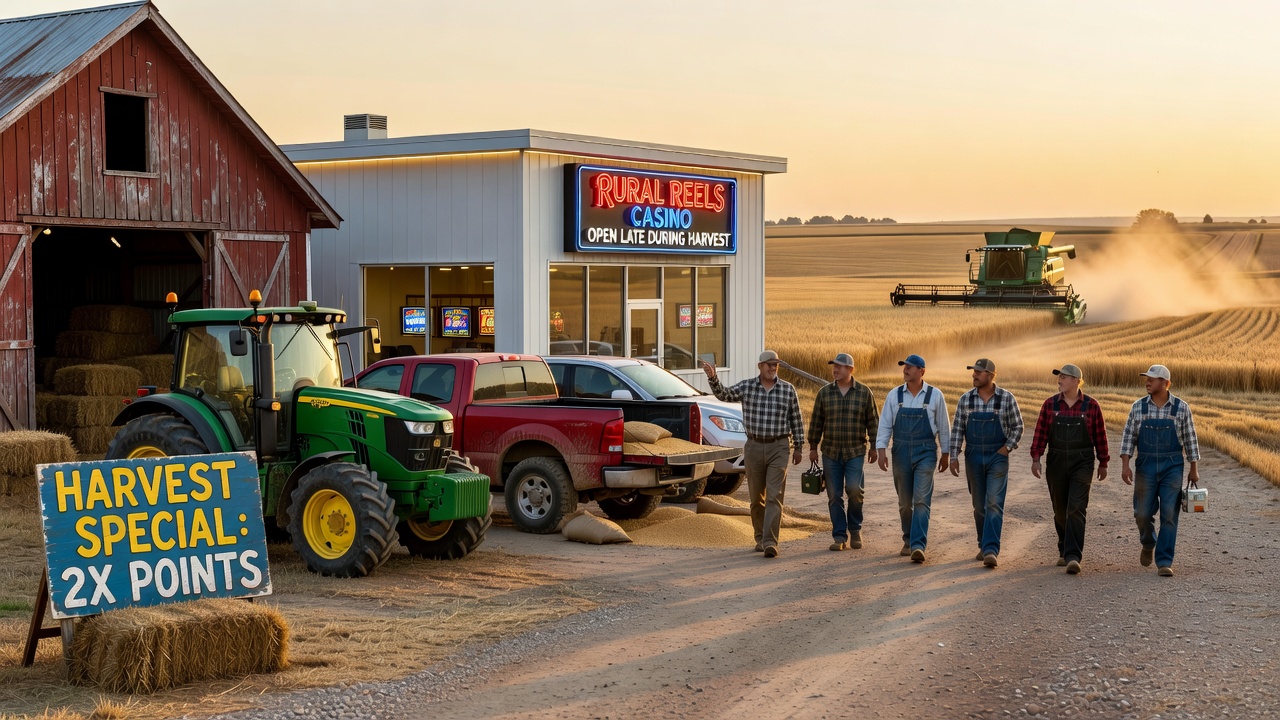
Data from multiple agricultural regions shows that harvest periods create distinct shifts in visitor numbers at rural slot parlors, driven by cash flow from crop sales and changes in daily work schedules. In the Midwest corn belt, for instance, facilities near major grain elevators report attendance spikes that align with September through November delivery windows, when farmers receive payments for their yields. Observers note these patterns hold steady across several states where slot machines operate in smaller communities.
Income Timing and Spending Windows
Regional agricultural cycles determine when disposable income becomes available, and this timing directly affects how often residents visit local gaming spots. In areas dominated by wheat and soybean production, revenue at slot parlors tends to rise sharply once harvest trucks reach storage facilities and checks clear. According to records maintained by the US Department of Agriculture, corn and soybean cash receipts peak between late September and early December in key producing states, creating a predictable window for increased activity at nearby venues.
Those who track daily foot traffic at rural locations have documented corresponding upticks during the same weeks. The money from sales moves quickly into local economies, including entertainment options that operate year-round. Yet the pattern reverses once fieldwork intensifies again in spring, when long days in the fields leave less time for evening visits.
Regional Variations Across Growing Zones
Different crops produce different calendars, and slot parlor operators adjust staffing and promotions accordingly. In California's Central Valley, almond and grape harvests stretch from August into October, generating attendance surges at smaller gaming sites near farming towns. In contrast, potato and sugar beet regions in the northern plains see their main activity concentrated in September and October, followed by quieter periods once fields are cleared.
One study of rural economies in the Great Plains found that gaming revenue at limited-stakes locations tracks closely with crop price reports released each fall. When commodity values rise, the additional income appears in attendance figures within two to three weeks. When prices fall, the effect shows up just as quickly as reduced visits.
Work Schedule Pressures During Peak Harvest
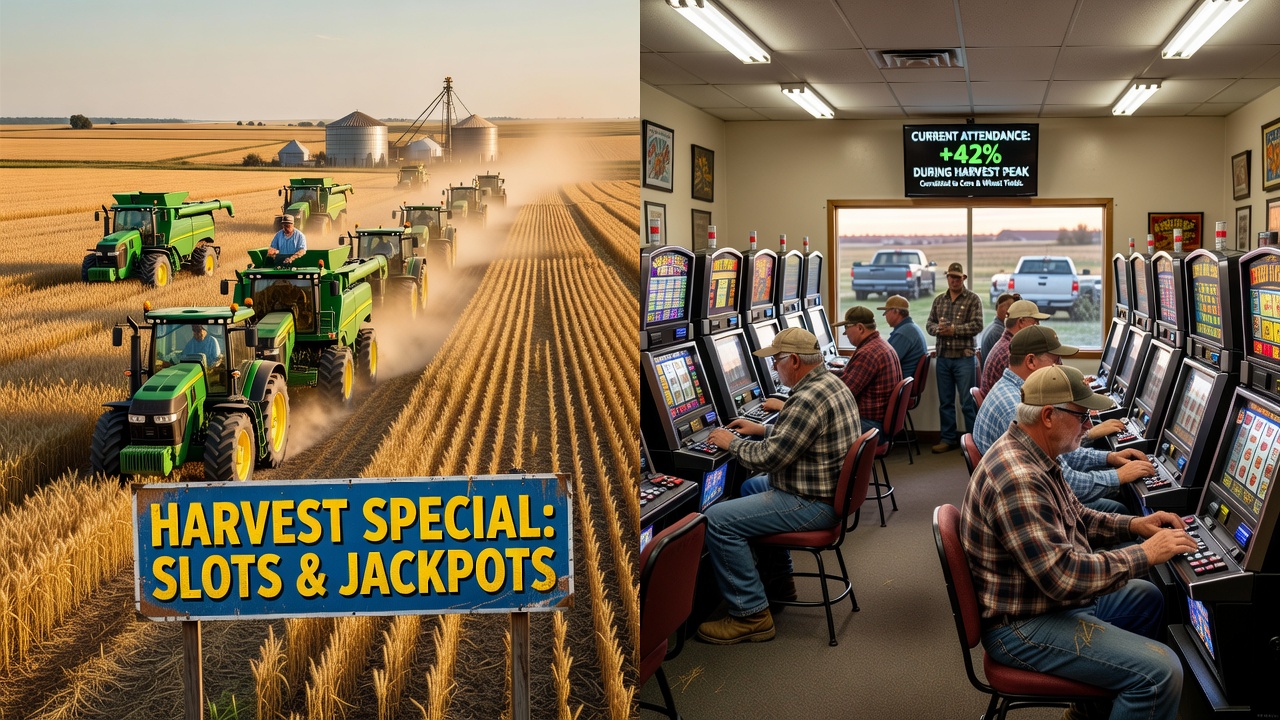
While harvest brings revenue, it also demands extended labor hours that limit free time. Equipment operators and seasonal crews often work from dawn until well after dark, cutting into typical evening visits. Attendance data collected at several Midwest locations reveals a temporary dip in mid-harvest weeks, followed by recovery once the bulk of fieldwork finishes. The recovery usually occurs in late October and November, when weather windows close and equipment returns to storage.
Similar timing appears in other zones. In tobacco-growing counties of the Southeast, the curing and marketing period creates short but intense spending surges at local slot facilities. In dairy regions, the effect remains smaller because milking schedules continue without major seasonal breaks. These differences illustrate how crop type shapes the exact rhythm of parlor visits.
October 2026 Outlook and Broader Trends
Looking ahead to October 2026, analysts expect the usual harvest-driven patterns to continue in established agricultural corridors. Weather forecasts and futures prices will determine the exact size of any attendance changes, yet the underlying cycle remains consistent year after year. Facilities that have operated for multiple seasons already build staffing plans around these recurring intervals rather than treating them as surprises.
Industry reports compiled by state gaming associations further confirm that rural locations experience more pronounced seasonal swings than urban casinos. The smaller customer base makes the impact of harvest timing more visible in daily counts. Operators respond by shifting marketing focus toward harvest-completion celebrations or post-season promotions once fieldwork ends.
Conclusion
Regional agricultural cycles continue to set the tempo for attendance at rural slot parlors, linking farm income, work demands, and local entertainment patterns in measurable ways. Records from multiple states demonstrate that harvest seasons produce repeatable shifts rather than random fluctuations. As crop calendars advance through 2026 and beyond, these connections are expected to persist across the communities where both farming and gaming coexist.