Examining Regulatory Shifts in Skill-Based Gaming Availability Across Emerging State Markets
Jonas Schmid · Sep 11, 2026
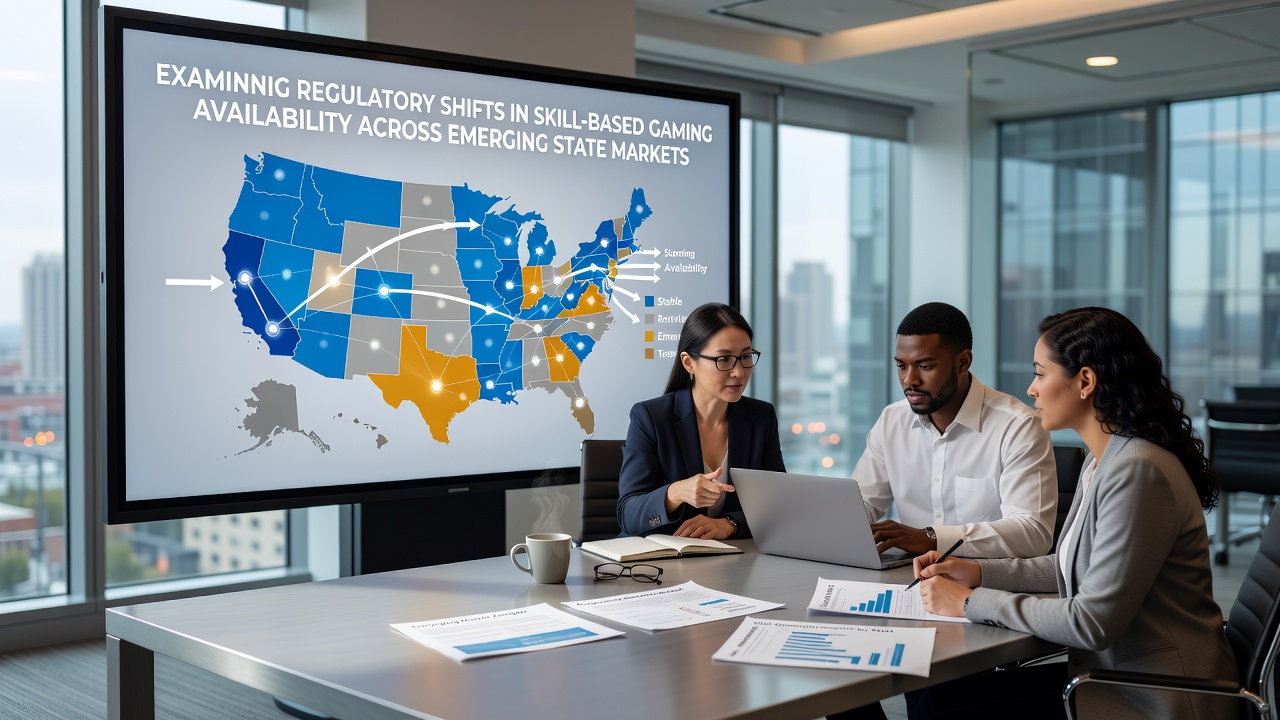
Examining Regulatory Shifts in Skill-Based Gaming Availability Across Emerging State Markets
Skill-based gaming continues to attract attention in several emerging state markets where lawmakers adjust rules that determine how these products reach consumers, and recent legislative sessions have produced new licensing pathways alongside tighter compliance requirements. States that once treated these games as extensions of traditional gambling now separate them through distinct regulatory categories that emphasize player skill elements over chance alone. Data from industry reports shows that approvals for skill-based terminals have increased in select jurisdictions since 2024, yet each market applies its own testing standards and tax structures that affect rollout timelines.
Key State-Level Developments
Ohio expanded its framework for skill-based machines in 2025 by authorizing additional operator licenses and requiring independent verification of game outcomes, while Michigan updated its rules to include quarterly reporting on machine performance metrics. Illinois introduced legislation that ties skill-based approvals to existing video gaming terminal caps, creating a controlled growth model that links new placements to revenue thresholds. These changes reflect ongoing efforts by state gaming commissions to balance market access with consumer protection measures such as age verification and responsible gaming protocols.
Observers note that emerging markets often model their approaches on earlier adopters yet adapt provisions to local tax policies and enforcement resources, and September 2026 has seen several states schedule public hearings on proposed amendments that could further refine payout verification processes and operator background checks.
Testing Standards and Compliance Requirements
Regulatory bodies across multiple states now mandate laboratory certification for skill-based software before commercial deployment, and this step ensures consistent evaluation of mathematical models that demonstrate skill influence on results. Pennsylvania requires operators to maintain detailed logs of session data that regulators review during audits, whereas New Jersey integrates these requirements into its existing online and land-based oversight systems. Figures from gaming association summaries indicate that certification timelines average between 90 and 180 days depending on the complexity of the game mechanics submitted for review.

Those who track regulatory filings report that states increasingly incorporate player education components into approval conditions, requiring clear disclosure of game rules and skill factors at each terminal. This practice aligns with broader trends documented in reports from the American Gaming Association, which tracks how different jurisdictions manage product classification and taxation.
Market Access and Operator Considerations
Emerging markets frequently adjust fee structures and renewal processes that influence which operators enter the space, and several states have shifted from flat licensing fees to revenue-sharing models that scale with performance. Data compiled by state regulatory offices shows variation in tax rates applied to skill-based revenue, with some jurisdictions setting rates between 15 and 25 percent while others tie rates to location density. Operators must also navigate local zoning rules that restrict machine placement near schools or residential zones, adding another layer of planning before deployment proceeds.
Researchers at institutions such as the University of Nevada, Reno have examined how these layered requirements affect small-scale operators compared with larger regional chains, noting differences in compliance costs and time to market. States continue to refine these frameworks through stakeholder input sessions that occur throughout the legislative calendar.
Conclusion
Regulatory shifts in skill-based gaming across emerging state markets reflect ongoing adjustments to licensing, testing, and taxation that shape product availability, and September 2026 remains a period when several jurisdictions will finalize or revisit key provisions. These developments continue to influence how operators plan expansions and how regulators monitor compliance across different regulatory environments.